

Who can Insure Hard-to-Place Commercial Risks in Florida?
"We can't write that risk." If you've heard those words, this guide is for you. What hard-to-place means, how the surplus lines market works, and who to call when standard carriers say no — from Florida's specialty risk problem-solvers.
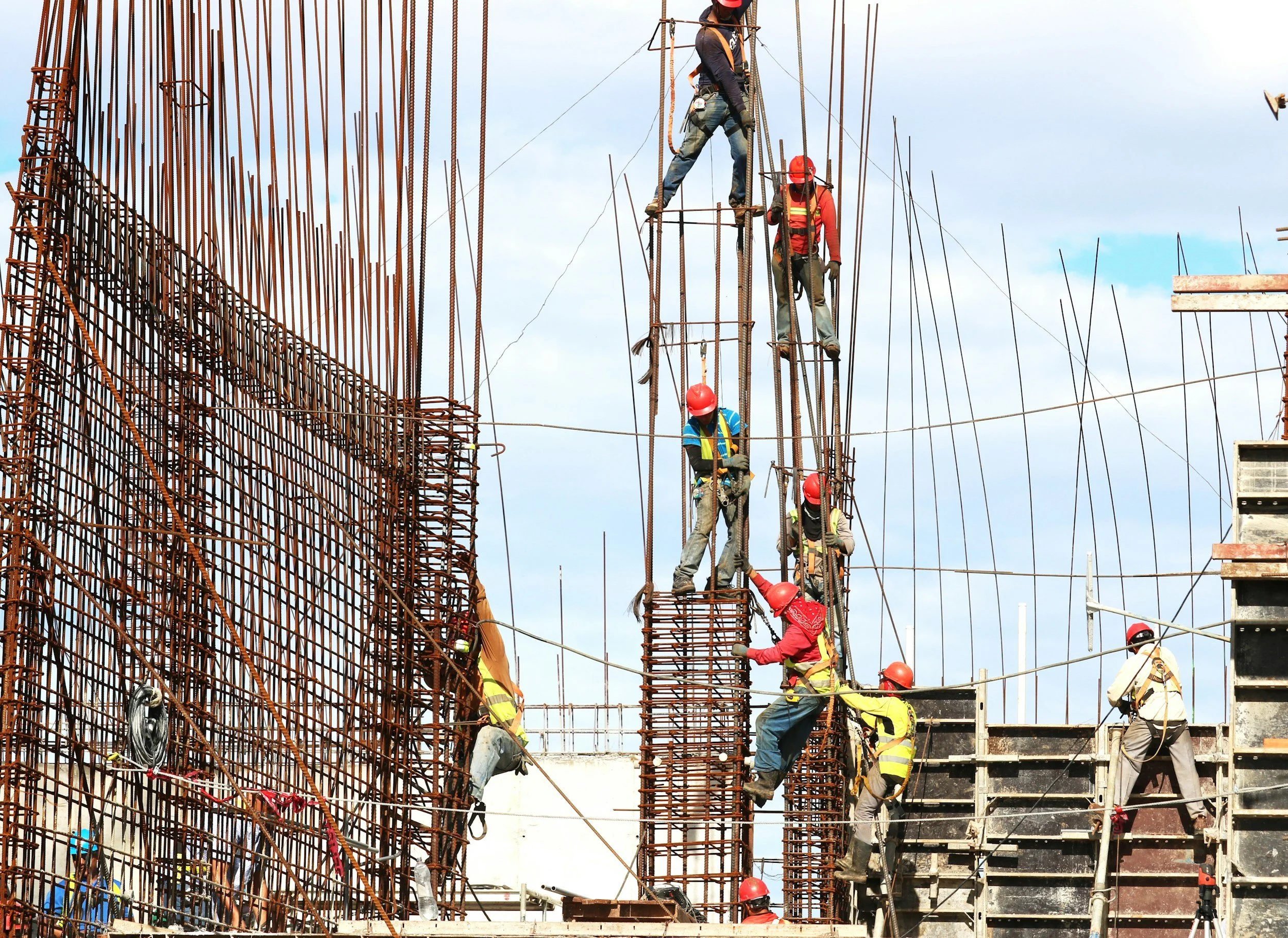
The Builders Risk Claims Process: Documentation, Settlement, and Recovery for South Florida Luxury Development
It is 3:47 a.m. on a Thursday in August. A tropical storm has suddenly intensified into a Category 2 hurricane. Your luxury high-rise in Miami Beach is 18 months into a 24-month construction schedule. The wind has breached the building envelope on the east facade. Water is pouring into the building, destroying installed finishes and soaking structural components.
Your construction manager is calling. Your lender is calling. Your insurance broker is calling.
What happens next will define whether your project recovers in six months or becomes a two-year nightmare of claim disputes, coverage battles, and contractor finger-pointing.
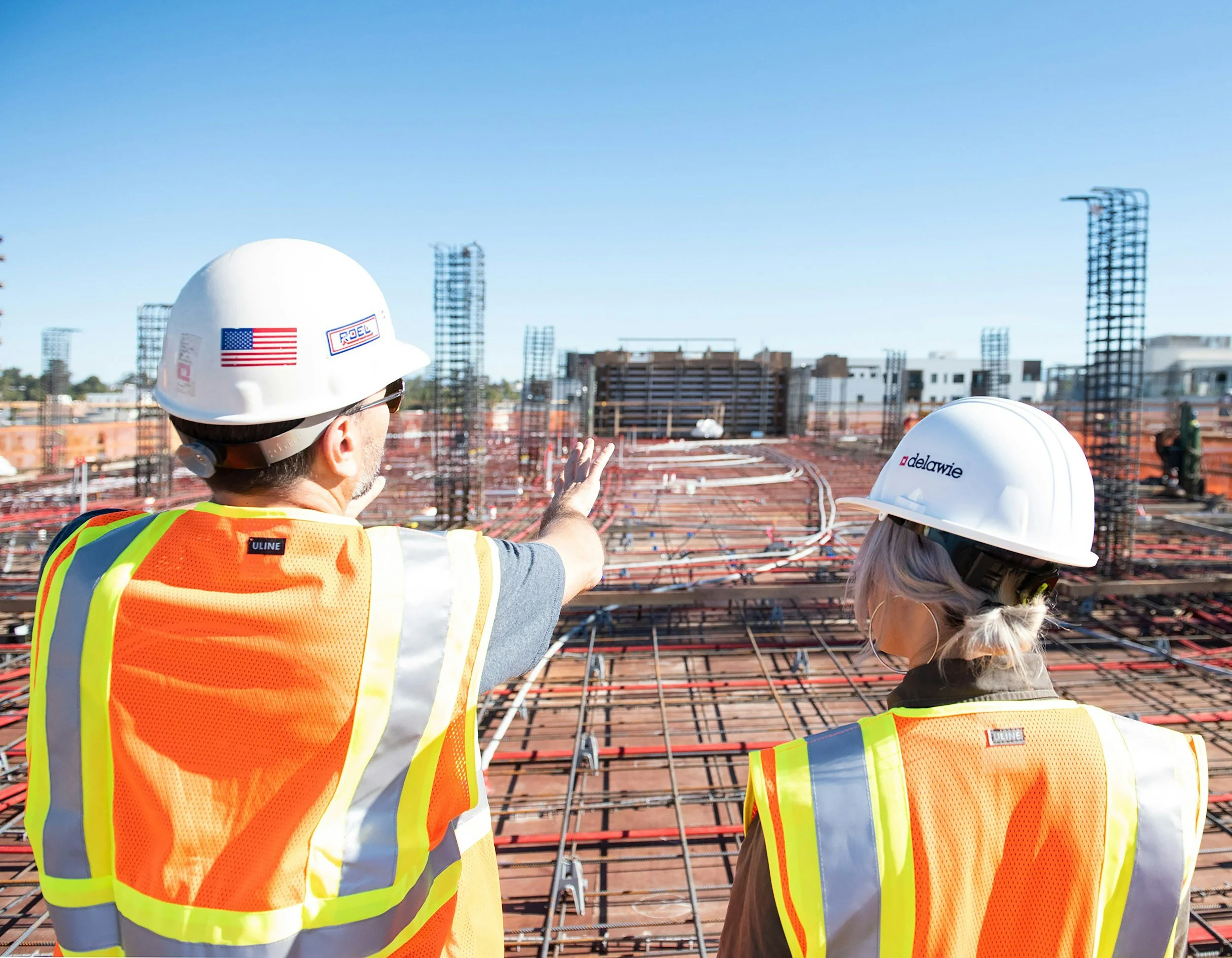
Builders Risk Coverage Gaps: What Your South Florida Luxury Development Policy Won't Cover
You have a $450 million mixed-use tower under construction in Brickell. You have a builders risk policy. You feel protected. Then a subcontractor's negligence causes $8 million in damage to the marble cladding that's already been installed. You file a claim. Your carrier denies it. The policy, it turns out, has a "care of materials" exclusion that limits your coverage once materials leave the supplier's warehouse.
This is not a worst-case scenario. It's a Tuesday in the life of a luxury developer who didn't understand what their policy actually excludes.